
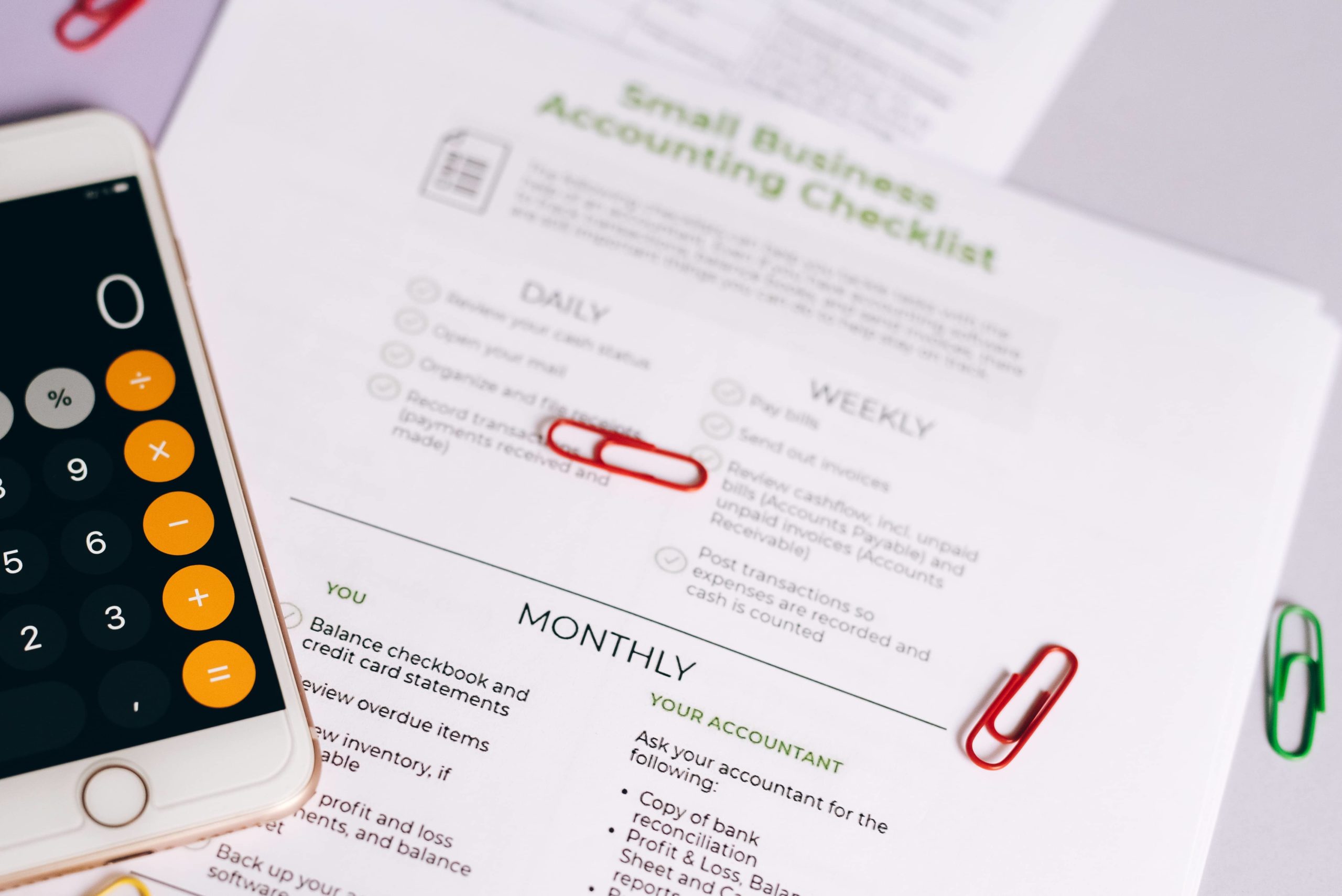
The sad part for the vast majority of people is that a crisis of any kind can mean disaster financially. As the world learned during the COVID-19 pandemic, emergencies can arise at any time and have far-reaching impacts.
There are steps that can be taken for those who are looking to adapt financially when a crisis strikes. Here are a few of the most helpful ways to do so.
Take Advantage of Online Banking
There are so many things that can be done through online banking that it can make managing finances a lot easier. Check out your balances, pay your bills, make transfers, and meet any day-to-day needs that you could have.
Those online tools also make it possible to monitor your monthly habits. That can be essential for planning for tough times and making adjustments that prevent crises from having a huge impact on your day-to-day life.
Make Payments on Time
Though this may sound self-explanatory, people get into trouble when a crisis hits and then payments are missed. When that happens, it often means falling behind and never recovering. Being able to make payments on time is crucial.
Doing so means not having to deal with late fees, extra interest, and all the money that can wind up costing people who pay late. Try to make those payments on time and avoid a lot more issues that would otherwise result.
Make Smart Use of Credit
Another major issue that people run into is overusing credit cards. It can feel like free money at times, especially when you don’t have any in your bank account and need to make a purchase. But that is a slippery slope toward carrying high balances on your cards.
Spending on credit cards is a necessity to a degree as it can help build good credit. But overuse is the fastest way to fall into debt and never have a chance to dig yourself out from under it all. Use those cards but use them as wisely as possible.